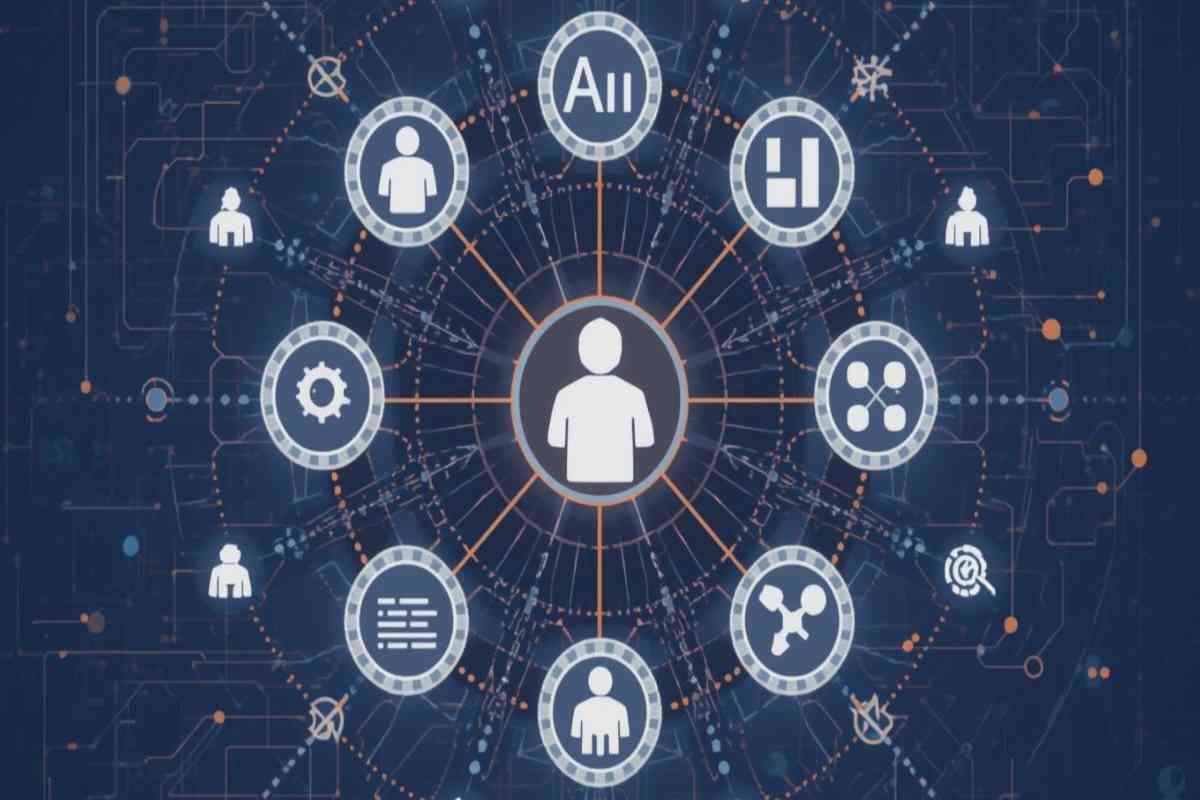
In an agentic AI system, many agents work together—some observe, some decide, some execute. But if there’s one agent who acts like the strategic mastermind behind the scenes, it’s the Planner Agent.
Think of it as the “project manager” of the AI world—minus the coffee addiction and deadline panic.
So, what exactly does a Planner Agent do? Let’s break it down.
What Is a Planner Agent?
A Planner Agent is responsible for creating structured, step-by-step plans that guide an AI system toward achieving a specific goal.
While other agents may focus on execution or perception, the planner is all about strategy and sequencing.
It turns intentions into actionable roadmaps.
Primary Function of a Planner Agent
To convert goals into actionable, organized plans.
This means the planner:
- Understands the final objective
- Breaks it into smaller tasks
- Sequences those tasks logically
- Assigns tasks to other agents (like worker agents)
- Ensures execution follows the correct order
Just like a wedding planner ensures the cake arrives after the venue is booked—not the other way around.
Key Responsibilities of a Planner Agent
1. Goal Breakdown
The planner analyzes the goal and breaks it into manageable sub-tasks.
Example:
Goal → “Create a marketing report.”
Breakdown → Data collection → Analysis → Writing → Formatting.
2. Task Sequencing
It determines what needs to happen first, next, and last.
AI agents can’t “wing it.” The planner ensures every action aligns with logic.
3. Resource Allocation
The planner decides which agent is best suited for each task.
Like a boss assigning jobs based on strengths—not giving the intern the company’s financial modeling (hopefully).
4. Monitoring Progress
Planning isn’t a one-time thing.
The agent updates plans as:
- new data arrives
- priorities shift
- errors occur
It constantly adjusts to keep the system on track.
5. Coordinating Multiple Agents
Planner agents make sure:
- worker agents don’t overlap
- tasks don’t conflict
- workflows remain efficient
It’s the conductor in an orchestra of AI workers.
Why Planner Agents Matter in Agentic AI
Without a planner:
- AI actions would be chaotic
- Tasks might run in the wrong order
- Systems could waste resources
- Goals would be harder to achieve
Planner agents bring direction, timing, and structure—the backbone of any intelligent system.
Planner Agent vs. Worker Agent
| Feature | Planner Agent | Worker Agent |
|---|---|---|
| Main Role | Create plans | Execute tasks |
| Focus | Strategy | Action |
| Output | Task sequence | Completed tasks |
| Decision Type | High-level | Operational |
Think of the planner as the architect and the worker as the builder.
Real-Life Example
Imagine an AI managing an e-commerce store:
- Planner Agent: creates a restocking workflow
- Worker Agents: check inventory, contact suppliers, update product pages
Without the planner, the workers would run around like robots at a disco—lots of movement, no coordination.
Also Read: What Are the Best AI Applications in Today’s Digital World?
Conclusion
The primary function of a planner agent is to translate goals into structured, efficient plans that other agents can execute. It ensures that the entire AI system works smoothly, logically, and effectively.
In short, it’s the strategic brain of an agentic AI ecosystem—guiding every move to ensure successful outcomes.

Related Posts