In an agentic AI system, every component has a role—just like in a well-run office. Some agents plan, some coordinate, and some… well, do the actual work.
Enter the worker agent—the dependable, always-on, never-takes-a-coffee-break performer of the AI world.
If the AI system were a company, the worker agent would be the employee who gets things done while everyone else is still discussing the strategy on a Zoom call.
What Is a Worker Agent?
A worker agent is the execution-focused unit within an agentic AI framework.
While orchestrator and planner agents manage tasks and strategies, the worker agent:
- Performs actions
- Executes instructions
- Completes assigned tasks
It’s the “hands” of the entire AI brain.
Purpose of a Worker Agent
The primary purpose of a worker agent is to carry out specific tasks within the workflow, based on instructions from higher-level agents.
Key Functions of a Worker Agent
1. Executing Tasks Assigned by the Orchestrator
Worker agents follow clear instructions such as:
- Send an email
- Move a file
- Generate a report
- Run a database query
- Update a workflow
They are task-focused and results-driven.
2. Handling Operational Work
While high-level agents think and plan, worker agents handle:
- Repetitive jobs
- Routine operations
- Low-level actions
- Direct system interactions
They keep the entire AI system productive.
3. Maintaining Workflow Efficiency
Worker agents ensure tasks are executed:
- On time
- Accurately
- Without errors
- Consistently
They eliminate bottlenecks and speed up processes.
4. Acting as the System’s Action Layer
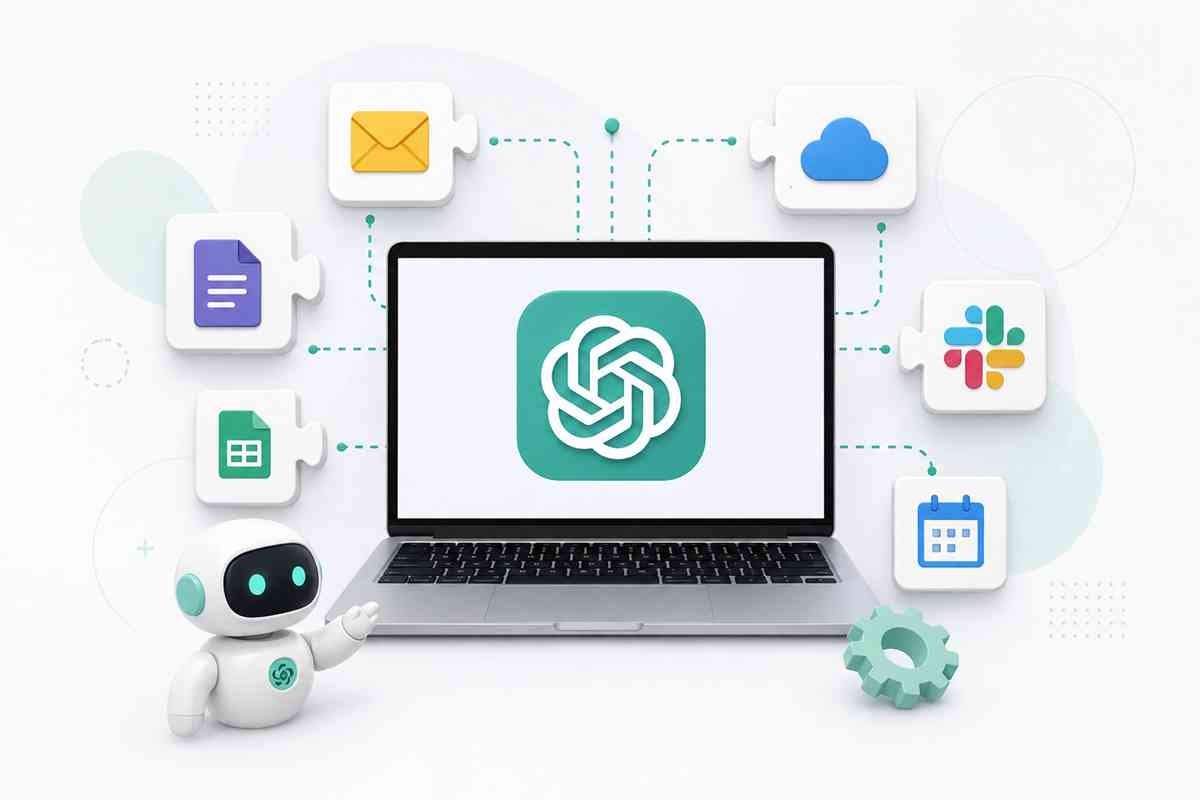
Worker agents directly interact with:
- APIs
- Databases
- Tools
- User interfaces
- Business applications
They convert AI “thoughts” into actual actions.
5. Sending Feedback to Memory and Reasoning Units
Once a worker agent completes a task, it reports back:
- Success
- Failure
- Results
- Exceptions
This feedback helps the AI system improve decisions and adapt over time.
Examples of Worker Agents in Real Life
Example 1: Customer Service AI
The worker agent might:
- Respond to a ticket
- Retrieve account details
- Process a refund
Example 2: Marketing Automation
A worker agent could:
- Send scheduled emails
- Post on social media
- Update CRM records
Example 3: Finance Systems
A worker agent may:
- Generate invoices
- Sync bookkeeping entries
- Validate transactions
Why Worker Agents Matter
Without worker agents, agentic AI would be all talk and no action.
They are essential because they:
- Convert instructions into outputs
- Enable true automation
- Scale operations
- Reduce human workload
- Improve accuracy and speed
The real magic happens at the worker-agent level.
Also Read: What Are the Best AI Applications in Today’s Digital World?
Conclusion
The worker agent plays a crucial role in an agentic AI system. Its primary purpose is to execute tasks efficiently and reliably, acting as the action engine behind the AI’s planning and reasoning. In short, worker agents are the unsung heroes who turn ideas into results—no complaints, no excuses, and definitely no sick leaves.

Related Posts