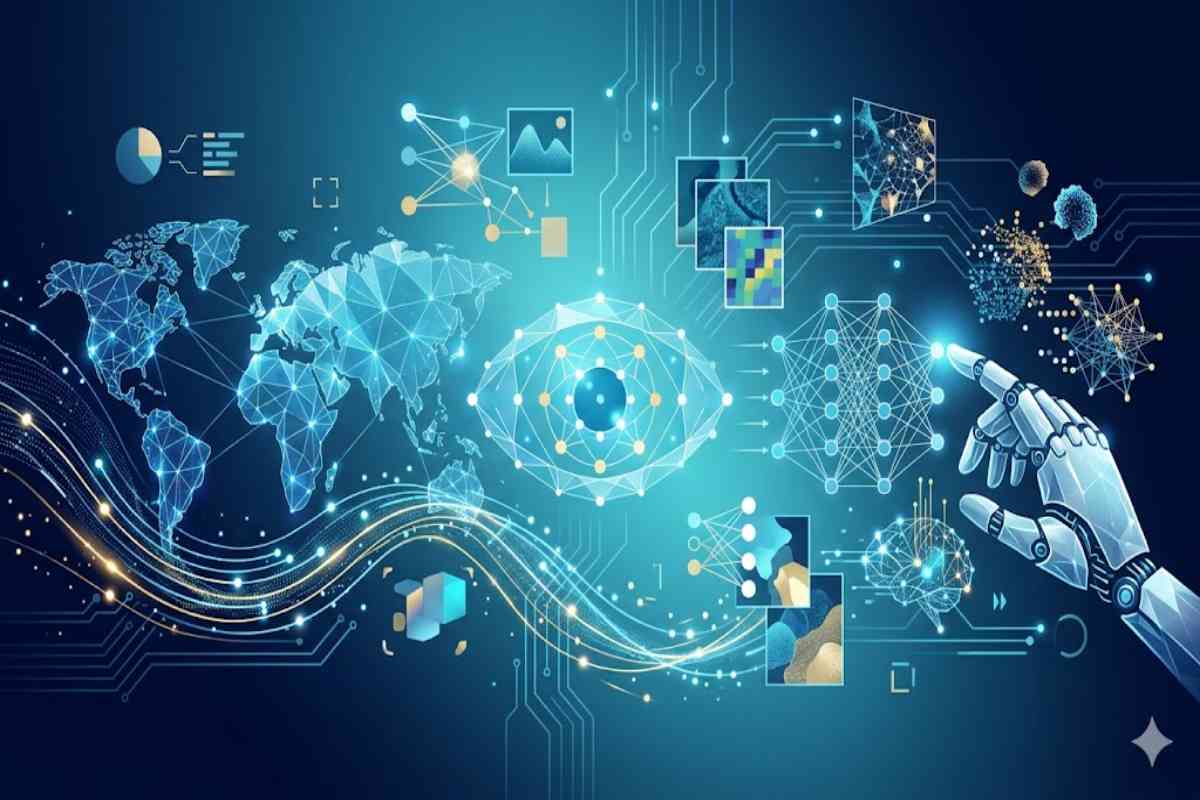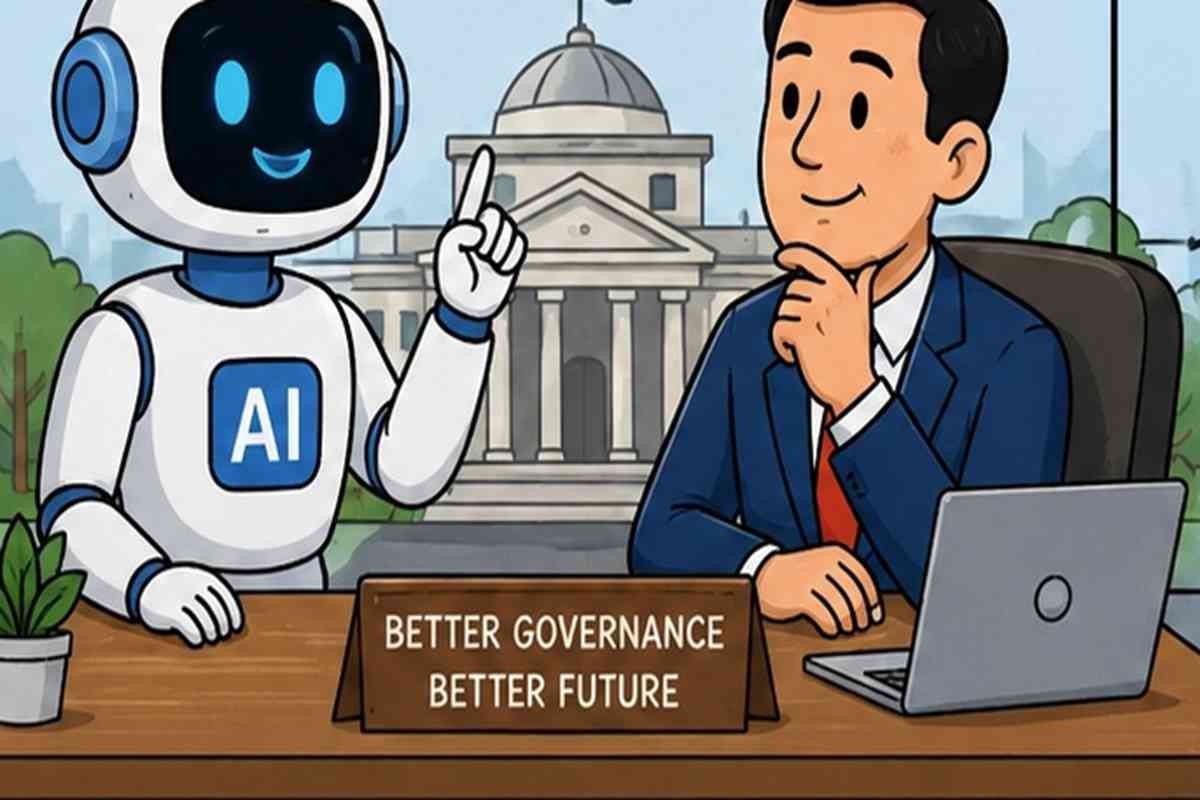
Artificial Intelligence is transforming governments across the world. Today, in public governance the primary role of AI is to improve decision-making, automate public services, enhance transparency, and increase administrative efficiency. Governments use AI to analyze data, reduce human errors, and deliver faster citizen-focused services in sectors like healthcare, transportation, taxation, and security.
Understanding AI in Public Governance
Artificial Intelligence in governance refers to the use of smart technologies, machine learning, automation, and data analytics in government systems. These technologies help public institutions make accurate decisions and manage resources efficiently.
AI is now becoming a critical part of digital governance strategies. Many governments are integrating AI into smart city projects, public administration systems, and citizen service portals.
Key Areas Where AI Supports Public Governance
| Governance Area | Role of AI | Benefits |
|---|---|---|
| Healthcare | Disease prediction and patient management | Faster medical support |
| Tax Administration | Fraud detection and automated processing | Reduced corruption |
| Traffic Management | Smart traffic monitoring | Less congestion |
| Public Safety | Crime analysis and surveillance | Improved security |
| Agriculture | Crop monitoring and weather analysis | Better farming decisions |
| Education | Personalized learning systems | Improved learning outcomes |
| Disaster Management | Predictive analytics | Faster emergency response |
In Public Governance the Primary Role of AI Is to Enhance Decision-Making
Governments deal with massive amounts of public data every day. AI systems can process this data quickly and provide actionable insights for policymakers.
1. Data-Driven Governance
AI helps governments analyze population data, economic trends, healthcare records, and infrastructure reports. This improves policy planning and public resource allocation.
Leaders can make smarter decisions based on real-time information instead of assumptions or outdated reports.
Also Read: Best free AI tools for data analysis
2. Predictive Analytics for Better Planning
AI-powered predictive analytics allows governments to forecast challenges before they happen.
For example, AI can predict:
- Disease outbreaks
- Traffic congestion
- Flood risks
- Economic slowdowns
- Crime-prone areas
This proactive governance model improves public safety and administrative readiness.
3. Faster Administrative Decisions
Traditional government processes are often slow because of manual approvals and paperwork.
AI automation speeds up tasks like:
- File verification
- Permit approvals
- Tax processing
- Identity authentication
- Complaint management
This improves citizen satisfaction and reduces delays.
Major Benefits of AI in Public Governance
AI is helping governments become more efficient, transparent, and citizen-friendly.
Important Advantages of AI Governance Systems
- Reduces human errors in administrative processes
- Improves transparency in public administration
- Enhances digital public service delivery
- Supports smart city development projects
- Helps detect fraud and corruption faster
- Increases efficiency in resource management
- Strengthens cybersecurity and data protection
These benefits are encouraging many countries to invest heavily in AI-driven governance models.
How Governments Use AI in Different Sectors
AI applications in governance are expanding rapidly. Different departments use AI technologies for specific administrative tasks.
AI in Healthcare Governance
1. Disease Surveillance
Governments use AI to track disease outbreaks and monitor infection patterns. This helps health departments respond quickly during emergencies.
2. Hospital Resource Management
AI systems analyze patient flow, bed availability, and medicine demand. This improves healthcare planning and resource allocation.
3. Telemedicine Support
AI-powered chatbots and virtual assistants help citizens receive medical guidance remotely. Rural areas especially benefit from such digital healthcare systems.
4. Medical Data Analysis
AI can analyze medical records rapidly and identify trends that humans may miss. This supports better healthcare policymaking.
5. Vaccination Monitoring
Governments use AI to monitor vaccination programs and identify regions with low immunization rates.
6. Public Health Prediction
AI models can predict future healthcare challenges using historical data and environmental factors.
7. Emergency Response Coordination
AI improves ambulance routing and emergency service coordination during critical situations.
8. Drug Supply Management
Governments can monitor medicine supply chains using AI systems to avoid shortages.
9. Citizen Health Portals
AI-based portals help people access healthcare records, appointments, and support services easily.
10. Healthcare Cost Optimization
AI reduces unnecessary administrative expenses and improves operational efficiency in public healthcare systems.
Also Read: What Are the Best AI Applications in Today’s Digital World?
AI in Smart City Governance
Smart cities depend heavily on Artificial Intelligence and Internet of Things technologies.
Role of AI in Smart Cities
- Smart traffic light management
- Waste management optimization
- Real-time pollution monitoring
- Energy consumption analysis
- Smart parking systems
- Public transport optimization
- Water supply monitoring
These systems help cities become cleaner, safer, and more sustainable.
AI and Public Safety Management
Public safety is another major area where AI plays a powerful role.
AI-Based Security Solutions
1. Crime Prediction
AI algorithms analyze crime patterns and identify high-risk zones. Police departments can increase monitoring in vulnerable areas.
2. Facial Recognition Systems
Governments use AI-powered surveillance systems for identity verification and public security monitoring.
3. Cybersecurity Protection
AI detects suspicious digital activities and prevents cyberattacks on government systems.
4. Emergency Monitoring
AI systems monitor public spaces and provide instant alerts during emergencies or disasters.
5. Border Security Management
AI-powered systems improve immigration checks and border monitoring operations.
6. Fraud Detection
Government financial departments use AI to detect suspicious transactions and tax fraud.
7. Digital Identity Verification
AI strengthens citizen verification systems in digital governance platforms.
8. Social Media Monitoring
Governments analyze online trends to identify misinformation and security threats.
9. Disaster Alert Systems
AI provides early warning alerts during earthquakes, floods, and storms.
10. Public Complaint Analysis
AI tools categorize and analyze citizen complaints to improve governance responsiveness.
AI in Public Governance vs Traditional Governance
| Feature | Traditional Governance | AI-Powered Governance |
|---|---|---|
| Decision Speed | Slow | Fast |
| Data Analysis | Manual | Automated |
| Error Rate | Higher | Lower |
| Transparency | Limited | Improved |
| Service Delivery | Time-consuming | Real-time |
| Resource Allocation | Less accurate | Data-driven |
| Fraud Detection | Reactive | Predictive |
Challenges of AI in Public Governance
Although AI offers many benefits, governments also face several challenges while implementing AI systems.
Common Challenges in AI Governance
- Data privacy concerns
- Cybersecurity threats
- Algorithm bias issues
- Lack of skilled professionals
- High implementation costs
- Ethical concerns regarding surveillance
- Dependence on digital infrastructure
Governments must create strong AI regulations and ethical frameworks to address these issues responsibly.
Ethical Use of AI in Governance
Responsible AI governance is essential for maintaining public trust.
Governments should ensure:
- Transparency in AI decisions
- Protection of citizen data
- Fair and unbiased algorithms
- Human oversight in critical decisions
- Secure digital governance systems
Ethical AI policies help balance innovation with public rights and privacy.
Future of AI in Public Governance
AI adoption in governance will continue growing in the coming years. Smart governance models are expected to become standard in many countries.
Future AI developments may include:
- Fully automated citizen service centers
- Advanced smart city infrastructure
- AI-powered legal assistance systems
- Real-time policy impact analysis
- Autonomous disaster response systems
- Personalized digital governance portals
Countries investing early in AI governance may gain major advantages in economic development and administrative efficiency.
Why AI Is Important for Modern Governments
Modern governments manage large populations and complex administrative systems. Traditional governance methods alone are often insufficient.
AI helps governments:
- Deliver faster services
- Improve policy accuracy
- Reduce corruption risks
- Enhance citizen engagement
- Increase operational efficiency
- Support digital transformation goals
This makes Artificial Intelligence one of the most important technologies in public administration today.
Conclusion
In public governance the primary role of AI is to improve administrative efficiency, support intelligent decision-making, and provide better public services. From healthcare and transportation to security and smart cities, AI is reshaping how governments operate.
As AI technologies continue evolving, governments must focus on ethical implementation, transparency, and cybersecurity. When used responsibly, AI can create more responsive, efficient, and citizen-centric governance systems for the future.
FAQs
What is the primary role of AI in public governance?
The primary role of AI in public governance is to improve decision-making, automate services, analyze public data, and increase administrative efficiency.
How does AI help governments?
AI helps governments by improving public service delivery, reducing manual work, detecting fraud, and supporting data-driven policymaking.
What are examples of AI in governance?
Examples include smart traffic systems, AI healthcare monitoring, tax fraud detection, disaster prediction, and digital citizen service portals.
What are the risks of AI in public governance?
Major risks include data privacy concerns, cybersecurity threats, algorithm bias, surveillance misuse, and lack of transparency in automated decisions.
Can AI improve transparency in governance?
Yes, AI can improve transparency by automating processes, reducing corruption opportunities, and providing real-time tracking of government operations.
How is AI used in smart cities?
AI is used in smart cities for traffic management, pollution monitoring, waste management, public safety, and energy optimization systems.
Why is ethical AI important in governance?
Ethical AI ensures citizen privacy, fair decision-making, transparency, and responsible use of public data in government systems.
What is the future of AI in governance?
The future includes smarter public services, predictive governance systems, advanced automation, and improved citizen engagement through digital platforms.

Related Posts